
Top Myths About Youth Development and Resilience


Understanding Youth Development and Resilience
When it comes to youth development and resilience, there's no shortage of misconceptions. These myths can often hinder effective support and understanding of young people. Let's explore and debunk some of the most common myths surrounding this topic.
Myth 1: Resilience is an Inborn Trait
One of the most pervasive myths is that resilience is something you're born with. In reality, resilience is a skill that can be developed over time. It involves learning how to cope with challenges and bounce back from setbacks. Encouraging environments and supportive relationships play a crucial role in building resilience.
Parents, educators, and community leaders can foster resilience by providing opportunities for young people to face challenges in a safe and supportive manner. This helps them to develop problem-solving skills and confidence.
Myth 2: Only Troubled Youth Need Development Programs
Another common myth is that only young people with problems need development programs. This misconception overlooks the fact that all youth can benefit from personal growth and learning opportunities. Youth development programs are designed to support all young people in reaching their full potential, not just those facing difficulties.

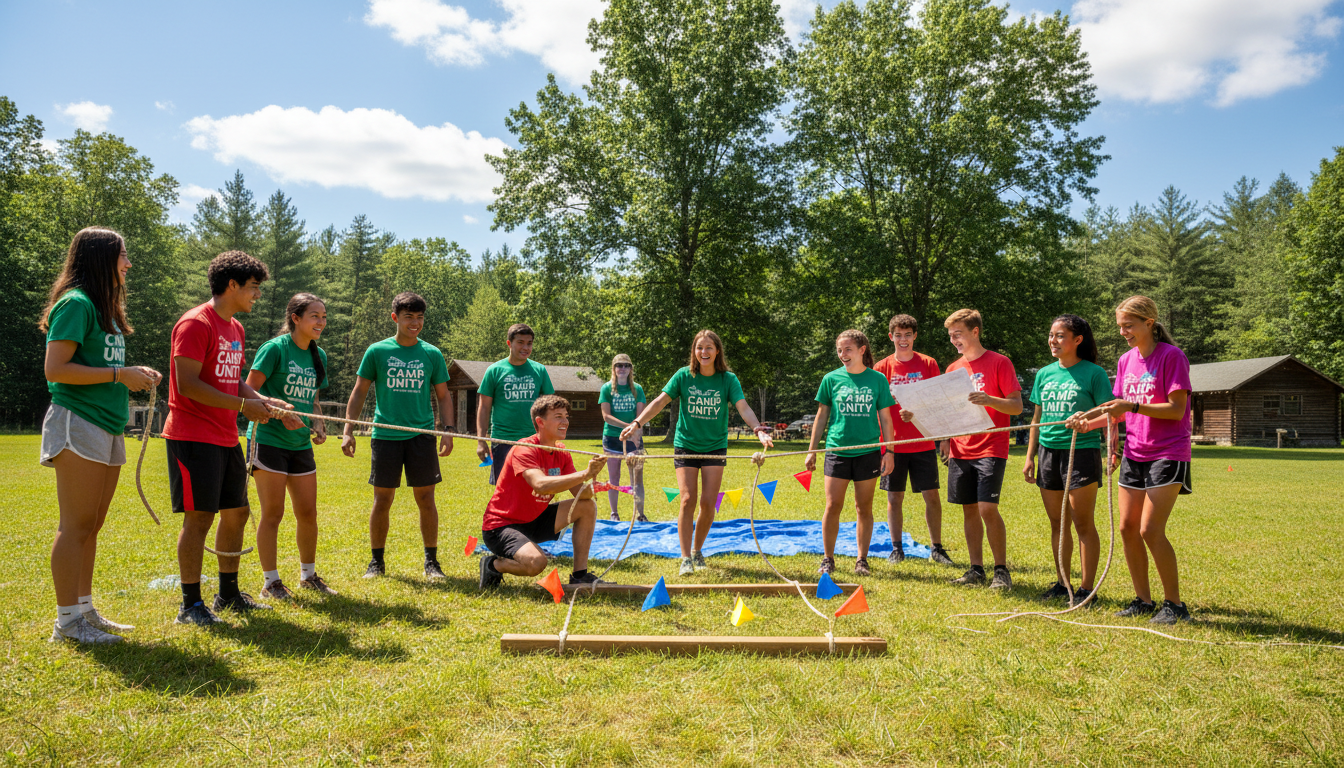
These programs often focus on building skills such as leadership, communication, and teamwork, which are beneficial for every young person, regardless of their background or current situation.
Myth 3: Resilience Means Suppressing Emotions
Some people believe that being resilient means not showing emotions or being unaffected by challenges. However, true resilience involves acknowledging emotions and learning how to manage them effectively. It's about finding healthy ways to process feelings and use them to fuel growth and recovery.
Teaching young people to express their emotions and seek help when needed is an essential part of developing resilience. Emotional intelligence plays a significant role in how well they navigate life's ups and downs.
Myth 4: Youth Development is Solely the Responsibility of Schools
While schools play an essential role in youth development, they are not the sole providers. Communities, families, and even young people themselves have significant parts to play. A collaborative approach that involves various stakeholders leads to more comprehensive and effective youth development.

Community programs, mentorship opportunities, and family support systems all contribute to creating an environment where young people can thrive. It's a collective effort that requires participation from different sectors of society.
Conclusion: Shifting Perceptions for Better Outcomes
By debunking these myths, we can better understand the complexities of youth development and resilience. Recognizing that resilience is a skill to be nurtured and that development programs benefit all youth can lead to more effective support systems.
Embracing a holistic and inclusive approach ensures that young people are prepared for the future, equipped with the skills and resilience they need to succeed. Together, we can create environments that foster growth, learning, and resilience for every young individual.