
How to Foster Positive Asset Building in Youth Groups


Understanding Positive Asset Building
Positive asset building in youth groups focuses on fostering strengths, skills, and resources that empower young people to thrive. By emphasizing these assets, youth can navigate challenges more effectively and build a foundation for lifelong success. The approach encourages a shift from solely addressing problems to promoting positive development.

Identifying Key Developmental Assets
Developmental assets are the building blocks that contribute to a young person's healthy growth. These can be categorized into internal and external assets. Internal assets include personal qualities like resilience and self-esteem, while external assets involve supportive environments such as family and community support.
Some key assets to focus on include:
- Support: Establishing a network of caring adults.
- Empowerment: Providing opportunities for youth to feel valued and safe.
- Boundaries and Expectations: Setting clear rules and expectations.
- Constructive Use of Time: Encouraging involvement in creative and recreational activities.
Creating a Supportive Environment
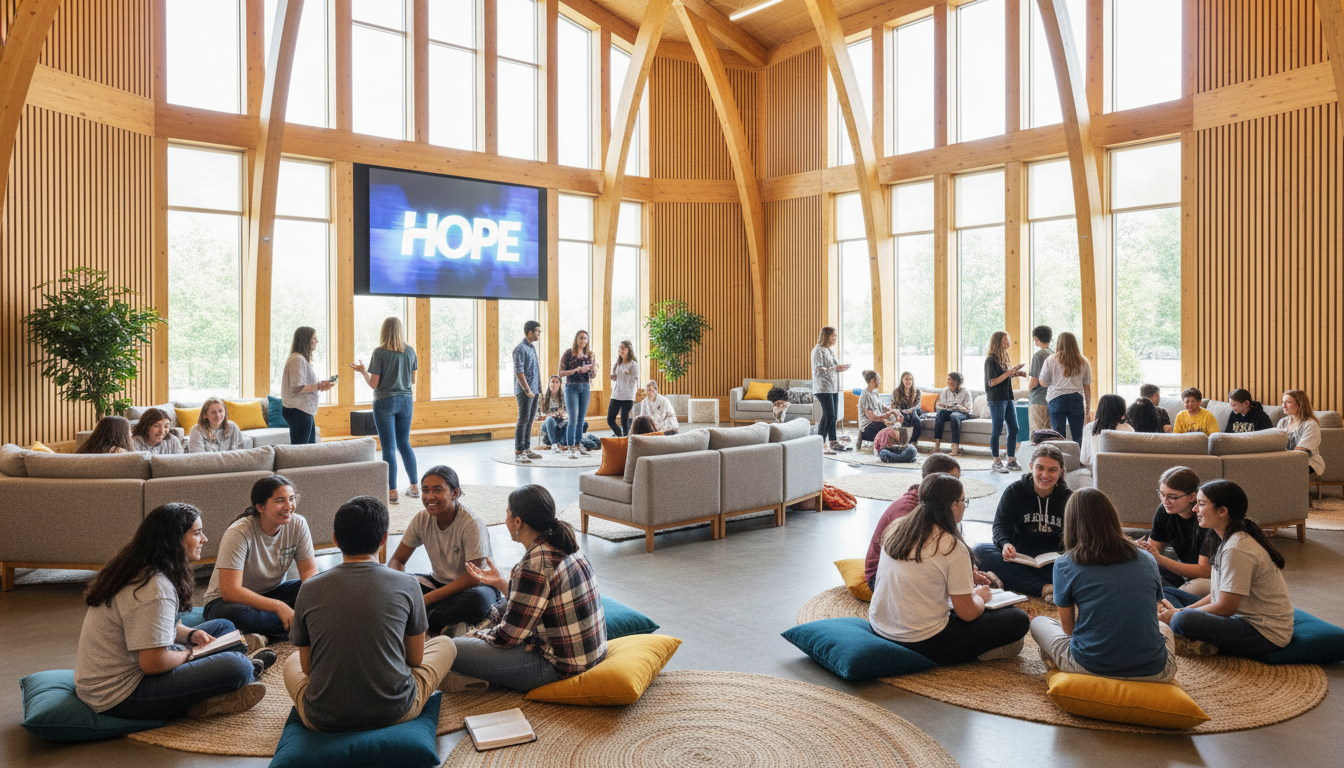
To foster asset building, it is crucial to create an environment that promotes safety, respect, and encouragement. Youth groups should be spaces where young people feel free to express themselves and explore their interests without fear of judgment.
Encouraging Active Participation
Engagement is fundamental to positive asset building. Encourage young people to take part in decision-making processes and offer them leadership roles within the group. This empowers them and instills a sense of responsibility and belonging.
Activities that promote teamwork and collaboration can help build social skills and strengthen peer relationships. Consider organizing workshops, team-building exercises, and community service projects.
Building Skills and Competencies
Skill development is an integral part of asset building. Equip young people with tools and resources that enhance their competencies, such as communication, problem-solving, and critical thinking skills. These skills not only aid in personal growth but also prepare them for future challenges.

Incorporating Mentorship Programs
Mentorship can play a pivotal role in positive asset building. Connecting youth with mentors provides guidance, support, and a model for success. Mentors can offer valuable insights and help young people set and achieve goals.
Regularly scheduled mentorship sessions can help maintain momentum and provide a consistent source of motivation and accountability.
Evaluating Progress and Celebrating Success
Regular evaluation of the youth group's progress is essential to ensure that the asset-building initiatives are effective. Gather feedback from participants and adjust strategies as needed to better meet their needs and interests.

Finally, don’t forget to celebrate achievements, both big and small. Recognizing progress not only boosts self-esteem but also motivates continued effort and engagement. Celebrations can take many forms, from simple acknowledgments in meetings to organized events highlighting accomplishments.