
Exploring the Impact of Positive Asset Building on Youth


Understanding Positive Asset Building
Positive asset building is a developmental approach that focuses on nurturing and enhancing the inherent strengths and potential of young people. This method is centered around the belief that all youth possess unique abilities and qualities that can be developed into valuable assets. By fostering these positive traits, we can empower youth to thrive in various aspects of their lives, including education, social interactions, and future careers.
Key components of positive asset building include fostering a sense of competence, confidence, connection, character, and caring. These elements work together to create a supportive environment where young people can flourish and reach their full potential.

The Benefits of Positive Asset Building
Implementing positive asset building strategies can lead to numerous benefits for youth. By focusing on strengths rather than deficits, this approach encourages a more optimistic and proactive mindset. Young people are more likely to develop resilience, self-esteem, and a strong sense of identity, which are crucial for navigating life's challenges.
Moreover, positive asset building can improve academic performance and lead to better career outcomes. When youth are supported in developing their skills and talents, they are more likely to pursue higher education and secure fulfilling employment. This not only benefits the individual but also contributes to a more skilled and capable workforce.
Strategies for Implementing Positive Asset Building
There are several effective strategies for implementing positive asset building in various settings, including schools, community organizations, and families. One key strategy is to create opportunities for youth to engage in meaningful activities that align with their interests and strengths. This can include extracurricular programs, volunteer work, or internships.
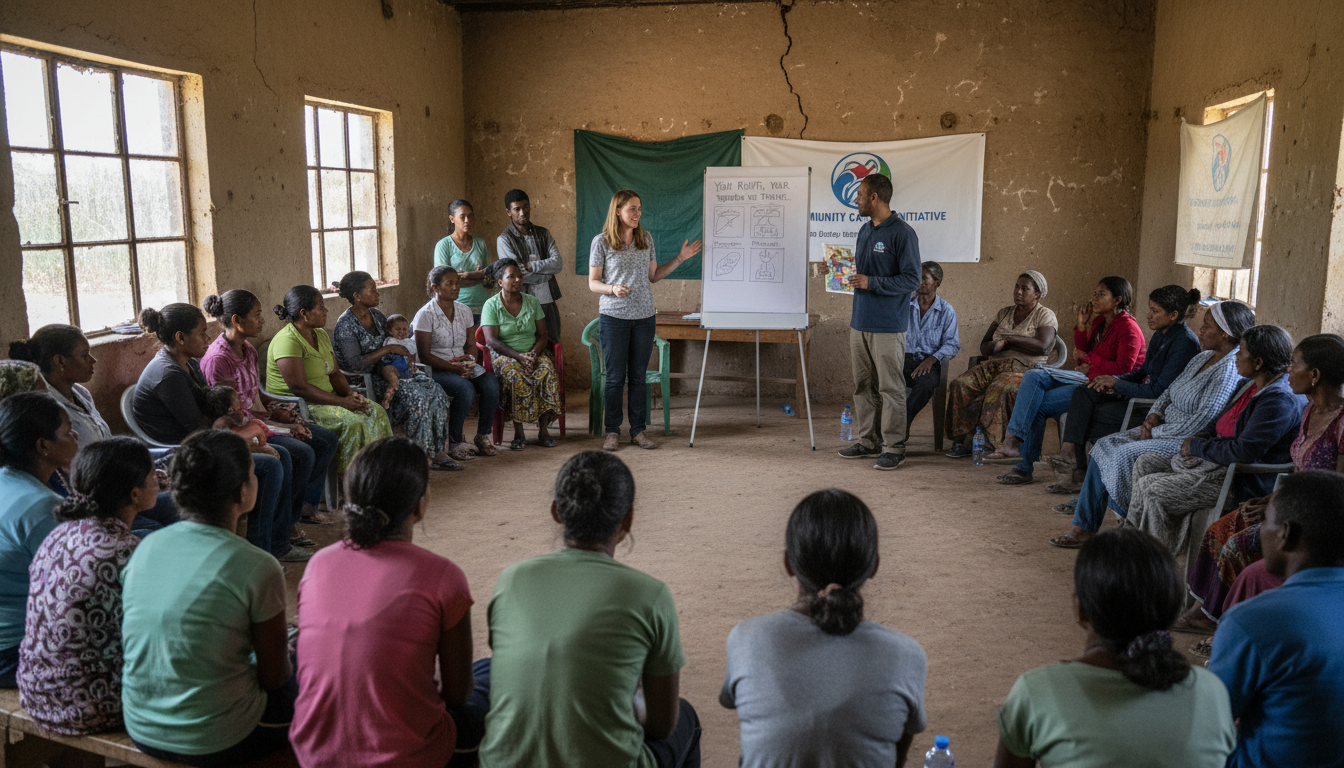
Another important aspect is providing mentorship and guidance. Trusted adults can play a significant role in helping young people identify and cultivate their strengths. Mentors can offer support, encouragement, and valuable insights that inspire youth to pursue their goals.
The Role of Community in Positive Asset Building
Communities play a vital role in the positive asset building process. By creating a supportive and inclusive environment, communities can help nurture the growth and development of young people. This involves fostering a culture of acceptance, celebrating diversity, and promoting opportunities for youth to engage and contribute.

Community organizations, schools, and local businesses can collaborate to provide resources and programs that support positive asset building. These partnerships can create a network of support that empowers youth to succeed and thrive.
Challenges in Positive Asset Building
Despite its many benefits, positive asset building can face challenges. Limited resources, lack of awareness, and resistance to change can hinder the implementation of these strategies. It's essential for stakeholders to advocate for the importance of asset building and work together to overcome these obstacles.
By addressing these challenges and investing in the development of young people, we can create a brighter future for individuals and communities alike. Positive asset building is a powerful tool that can transform the lives of youth, helping them become confident, capable, and compassionate members of society.