
A Guide to Creating Positive Environments for Youth Resilience


Creating positive environments for youth resilience is crucial in helping young people navigate the challenges of life. A supportive environment not only promotes mental and emotional well-being but also empowers youth to thrive in various aspects of their lives. Here’s how you can contribute to building such an environment.
Understanding Youth Resilience
Youth resilience refers to the ability of young individuals to recover from setbacks, adapt to change, and keep going in the face of adversity. It is a vital skill that can be nurtured through the support of family, schools, and communities. Building resilience requires a comprehensive approach that considers the unique needs and challenges faced by youth today.

Fostering Supportive Relationships
Strong, supportive relationships are at the heart of resilience. Encourage open communication and active listening with the youth in your life. Whether it’s through family dinners, mentoring programs, or community activities, creating opportunities for meaningful interactions helps young people feel valued and understood.
Schools and community organizations can also play a significant role by providing mentorship programs where youth can connect with positive role models. Such relationships can instill confidence and provide guidance during challenging times.
Creating Safe and Inclusive Spaces
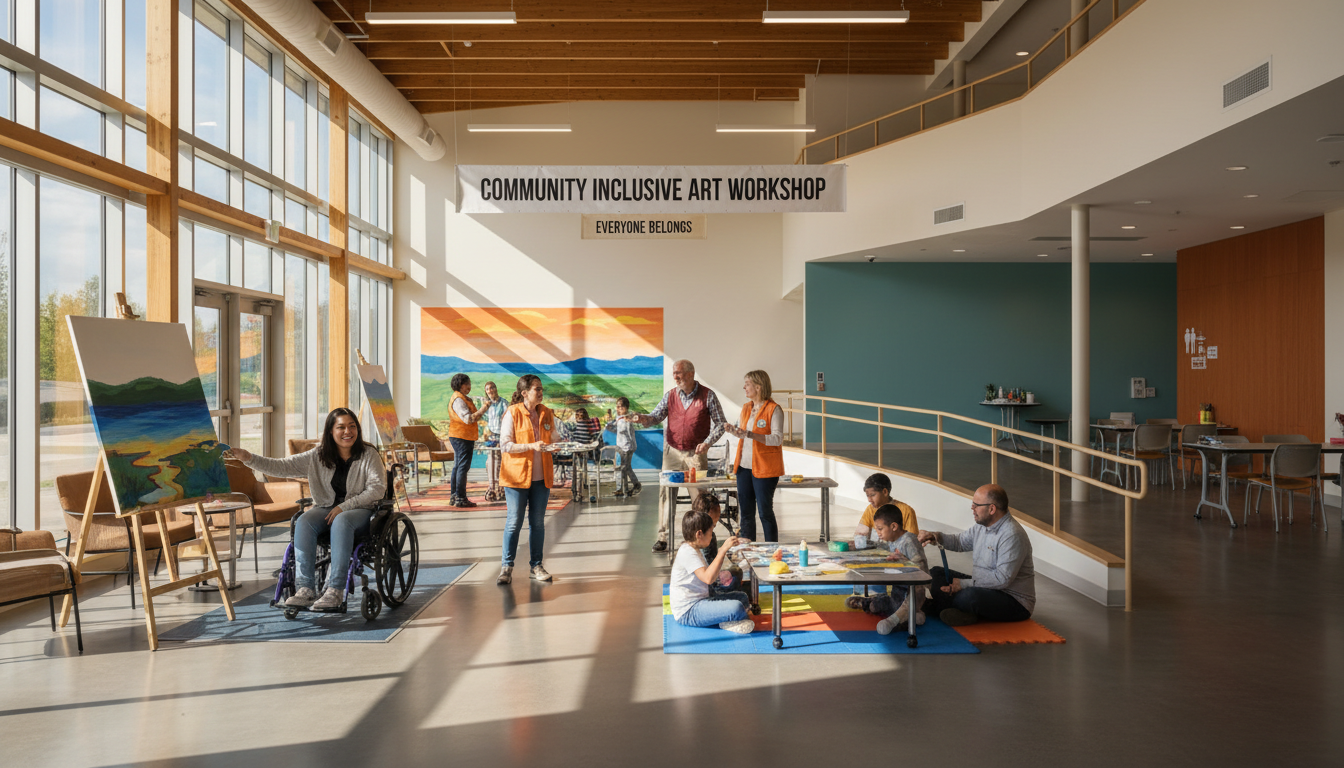
Safe and inclusive environments allow youth to express themselves without fear of judgment. Schools, community centers, and online platforms should strive to be welcoming spaces where diversity is celebrated, and every voice is heard. Implementing anti-bullying policies and promoting inclusivity can go a long way in ensuring that young people feel secure and accepted.
Encouraging Growth Mindset
A growth mindset, the belief that abilities and intelligence can be developed through effort and perseverance, is integral to resilience. Encourage youth to embrace challenges and view failures as opportunities for learning. Celebrating effort and persistence rather than just outcomes can foster a love for learning and resilience in the face of setbacks.
Parents and educators can support this by setting realistic goals and providing constructive feedback, helping youth understand that improvement is always possible.
Promoting Emotional Well-being
Emotional well-being is a cornerstone of resilience. Encourage practices such as mindfulness, meditation, and regular physical activity to help manage stress and improve mental health. Providing access to resources like counseling services and wellness programs can also support emotional resilience.

Empowering Youth with Skills
Equipping youth with essential life skills is crucial for resilience. Programs that focus on problem-solving, decision-making, and critical thinking can empower young individuals to tackle challenges effectively. Financial literacy, time management, and communication skills are also important in preparing them for the future.
Encouraging participation in extracurricular activities, internships, and volunteer work can provide practical experiences that build these skills.
Conclusion: Building a Resilient Future
Creating positive environments for youth resilience is a collective effort that requires the involvement of families, educators, and communities. By fostering supportive relationships, promoting inclusivity, encouraging a growth mindset, and empowering youth with essential skills, we can help build a resilient future for the next generation.
As we strive to support young people, let us remember the profound impact that a nurturing environment can have on their ability to bounce back and thrive. Together, we can create a world where every young person has the opportunity to succeed.